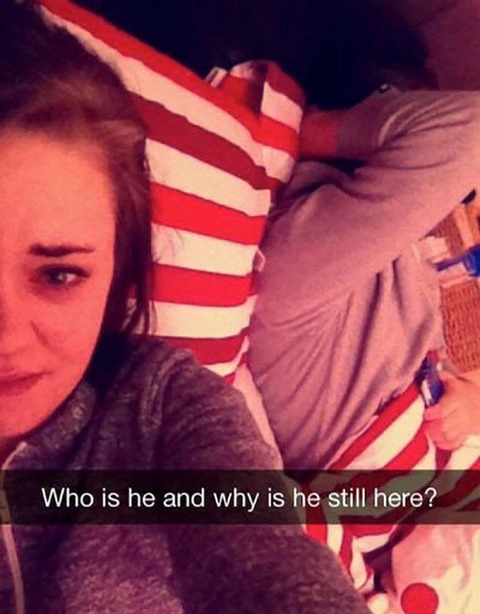
The following is a **safety/consent-centered checklist** compiled based on a Japanese blog post (experience/image-focused posting) that states, **“The expression on your face the next day when you regret it after having sex after drinking is similar”** and the cautionary note at the end of the post, **“Don’t drink too much”**. It does not embellish or conclude any specific situation, and provides guidance in a tone of *“this is what is known” based on reviews/sources. --- ## Why does it feel like ‘regret the next day’ is repeated? The post emphasizes **the expression/face that shows regret the next day** after a relationship has continued after drinking. Although this expression is a personal feeling, it is generally known that when the following factors overlap, **regret, discomfort, and confusion** can increase. - ✅ **Blurred memory** (unsure of how much was agreed upon) - ✅ **Absence of context** (there was no premise/boundary in the relationship with the other person) - ⚠️ **The intoxication itself shakes judgment** (usual standards collapse) - ⚠️ **Return to reality the next day** (emotional temperature difference)

--- ## (Key) Points where ‘consent’ can easily become blurred in drunken situations The source article adds a warning to “don’t drink too much.” This is ultimately interpreted in the context that **the more intoxicated you are, the more unclear your expressions may become**. The following are **good criteria to check for yourself**. ### ✅ Check 1) Is the conversation continuing clearly now? - If questions are not answered properly or the words are repeated, it is safe to **stop**. ### ✅ Check 2) Is the ‘yes’ proactive, or are they just being pushed by the atmosphere? - Even if they’re smiling or following along, many people say that if there’s no **clear expression of intent**, stopping is more likely to lower the likelihood of regret. ### ⚠️ Check 3) Are you rationalizing, “I was going to do it anyway”? - It is often said that next-day regrets are often **the backlash of rationalization**.
--- ## 5 ‘prior’ preparations to reduce next-day regrets The more spontaneous things go on at a drinking party, the more **your emotions can change drastically the next day**, as described in the source article. Below are *prior preparations*. 1) ✅ **Set your limits for today**: Decide for yourself, “I’ll only drink up to here” 2) ✅ **Secure a route home**: Prepare realistic devices such as last train/designated driver/taxi fare 3) ✅ **Share your location with a friend**: As a *safety net* rather than excessive control 4) ✅ **State the premise of a relationship**: Verbalize it in advance, such as “I don’t want/want a relationship today” 5) ✅ **Separate lodging/travel plans**: Even if you’re in the same space, you need to have options! [Prepared image space 3](/asset/519) --- ## Situational response guide: When the mood has already flown The source article includes tags/phrases that evoke the situation of “waking up in someone else’s bed before you know it” (e.g., **“I don’t know the man’s bed”**). If this situation actually happens, it can be helpful to organize it as follows: ### 1) 🔥 Check your physical condition first - Drink water, check for headaches/vomiting/bruises/pain, etc. **Condition first** ### 2) ✅ ‘Record’ the facts, but avoid making conclusions - If your memory is incomplete, **calmly confirm** “What happened?” - Ask the other person **confirmation questions**, but focus on facts rather than pushing it to an emotional outburst ### 3) ⚠️ If you feel a lot of discomfort, start by ‘keeping your distance’ - Some say that it is better to move to a safe place and sort things out rather than immediately cutting off contact.

--- ## Conversation template with the other person (soft and clear) One of the reasons why regrets grow the next day is said to be **because the conversation ended ambiguously**. The sentences below are good for setting boundaries without being forceful. - ✅ “I was very drunk yesterday. My memory is not clear, so I want to confirm what agreement we had.” - ✅ “I feel uncomfortable in relationships when I’m drunk. From now on, I want to keep a clear line when I’ve had a drink.” - ⚠️ “I’ll take a break from contact today and talk again after I’ve sorted out my condition.”
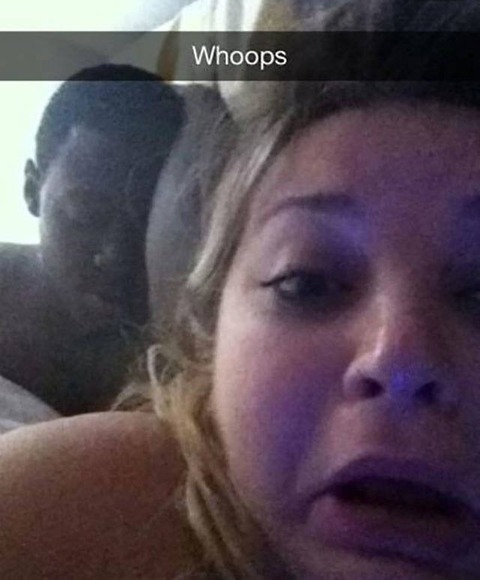
--- ## The Pitfalls of Saying ‘Everyone Has a Similar Expression’ The source article treats regretful faces as if they’re caricatures (expressions like “For some reason, they all have the same face”). However, actual feelings vary from person to person, and **regret = not always the same reason**. - ✅ You might feel like it’s a simple mistake - ⚠️ Your boundaries might have been violated - ⚠️ The memory gap itself might increase your anxiety. In other words, rather than **consuming** other people’s reactions like memes, it’s more realistically helpful to organize them with your own safety and consent in mind.
--- ## Mini Checklist to Reduce Regrets at Drinking Parties (Summary) - ✅ **How drunk** were you today (speech/walk/memory) - ✅ Was the other person's intention **clear** - ✅ **Were there** options for going home/staying - ⚠️ Was there any point where you pushed ahead “because of the atmosphere”? - ✅ The next day's conversation should be **fact-checking + boundary setting**
--- ## Conclusion: If you translate the conclusion of the source article as ‘safety’, the conclusion of the posting is directly closer to **“Let’s not drink too much”**. If we turn this into a realistic guide, - ✅ Before getting drunk, leave a **verbal warning/intention** - ⚠️ While drunk, set **stop/hold** as the default - ✅ The next day, go in the order of **check status → sort out facts → reset the rules of the relationship**, which is known to help reduce regret and risk.
--- ### Reference (Source) - hokurikufuzoku.blog.jp post (marked as posted on 2026-01-01, includes the content “Drunk… regret later…” and the phrase “Be careful of drinking too much”)